
A former Haitian senator suspected of involvement in the murder of a journalist sanctioned by the European Union following revelations by Forbidden Stories
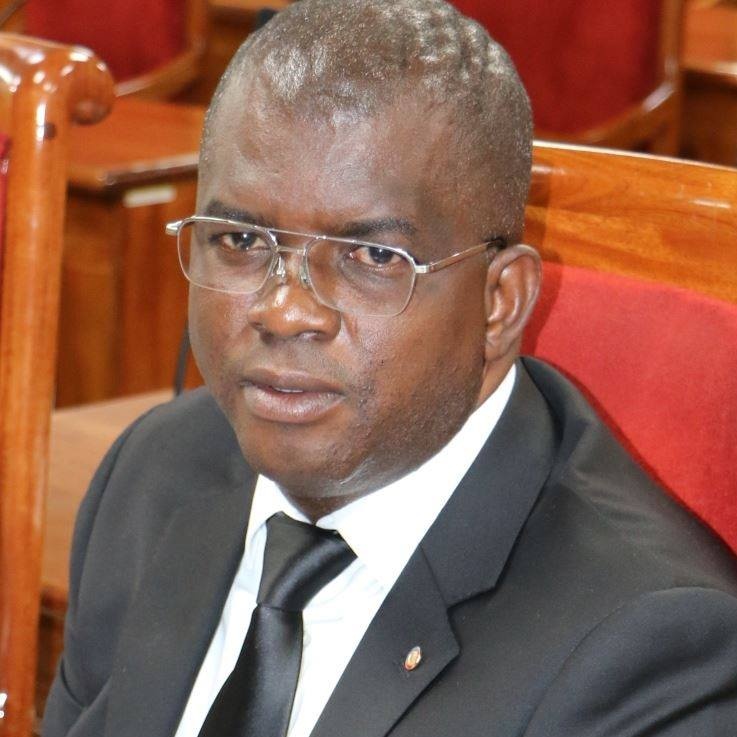
It’s unprecedented: the European Union sanctioned three prominent Haitian politicians, among them former senator Rony Célestin. This sanction follows revelations by Forbidden Stories in July 2025.
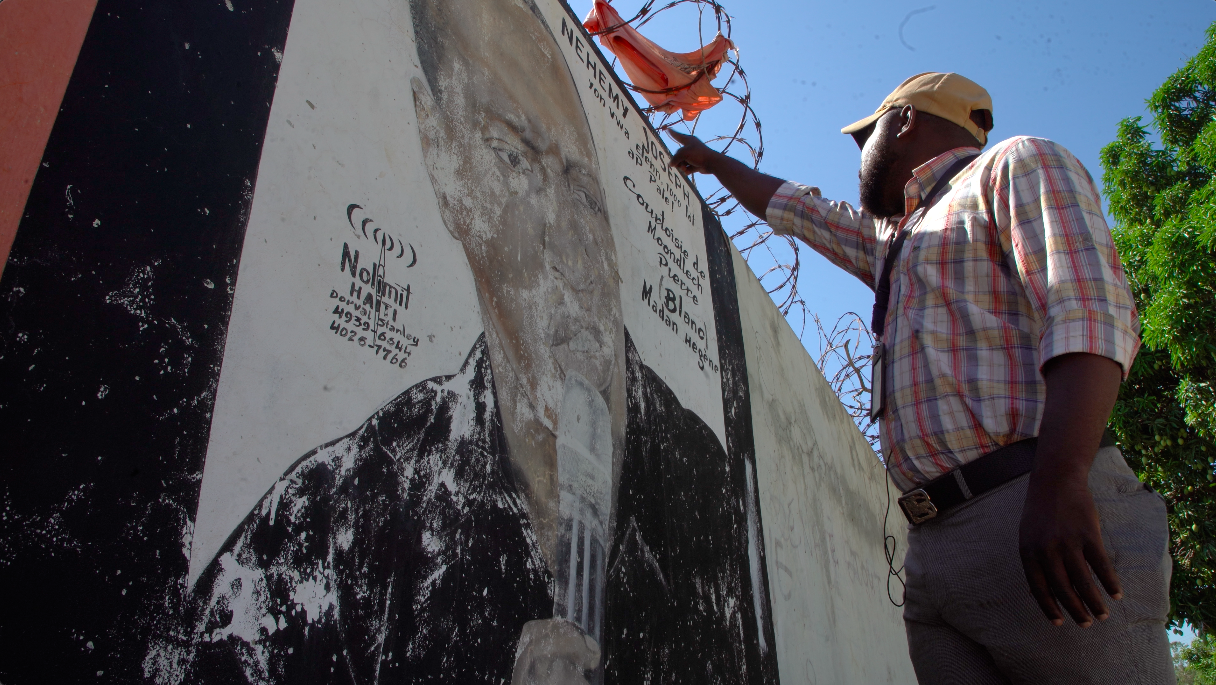
On December 15th 2025, the Council of the EU specifically named Rony Célestin as “responsible for orchestrating the murder of journalist Néhémie Joseph”, who had denounced his smuggling activities at the border.
Forbidden Stories travelled to Haïti to continue the work of Néhémie Joseph, who was assassinated in 2019, and revealed the true identity of Rony Célestin, his ill-gotten gains in Haiti and the Dominican Republic, and his suspected alliance with gangs. His involvement in “violence linked to armed groups and smuggling activities” is among the other motivations quoted by the Council for imposing sanctions: “Rony Célestin is indirectly responsible for actions that threaten peace, stability and security in Haiti.”
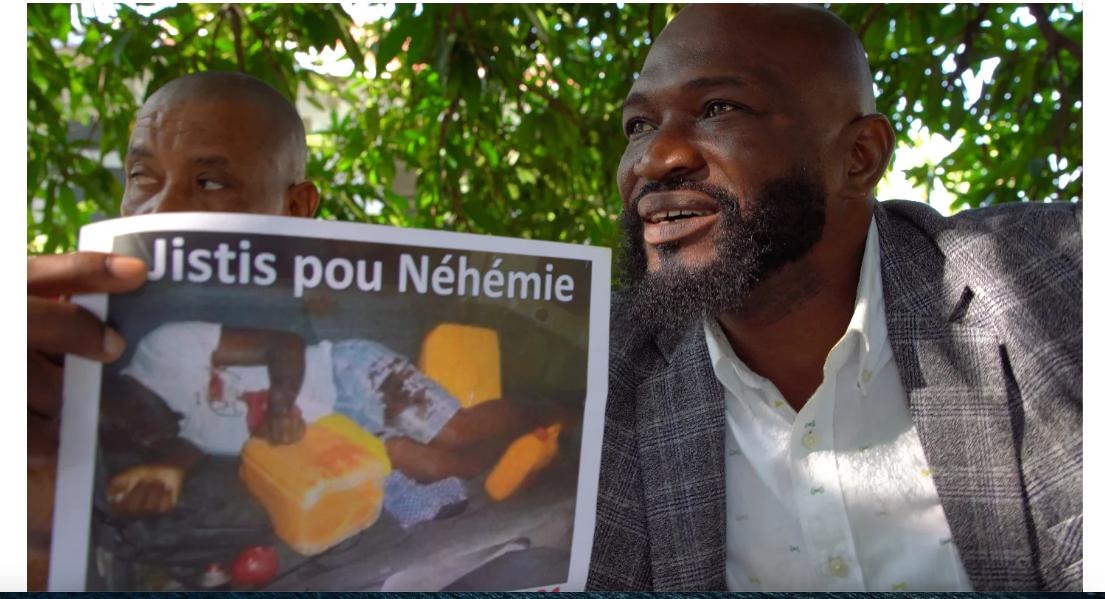
In Haiti, the news caused quite a stir. “It had a huge impact! Rony Célestin is in a difficult situation, he has gone into hiding. He is not appearing in the media, we don’t see him in town. They say he has taken refuge near the border,” said Robenson Mazarin, the lawyer who has been handling Joseph’s case since 2019.
Assets freezes and bans on entering European Union territory are the concrete consequences of these sanctions. During our investigation, we unveiled assets of Rony Célestin and his wife: real estate assets in Port-au-Prince’s wealthiest neighbourhood, a villa in the Dominican Republic in an ultra-luxurious complex frequented by the Kardashians and companies registered in Quebec. We were unable to prove the existence of assets or stays in Europe.
Sanctions at the highest level
What are the consequences in Haiti for those sanctioned? “A nightingale singing” is how Rony Célestin’s lawyer, Mr Exil, described potential sanctions last July. “The European Union must hand over any evidence it has to the Haitian courts. So far, this has not affected my client,” Mr Exil reacted to the sanctions. Very often, those sanctioned lose neither their rights nor their assets, and very little of their influence in their country. Mr Mazarin, who is now receiving death threats for continuing to fight for justice in the case of murdered journalist Néhémie Joseph, deplores this situation: “To date, these sanctions have no binding force on Haiti. The Haitian authorities must follow the lead of international institutions and initiate legal proceedings.” His hope: “They are untouchable, but now this kind of sanction will demystify these people.”
The sanctions imposed on December 15th affect the highest levels of the Haitian government. In addition to Rony Célestin, former President of the Republic of Haiti Michel Martelly and his adviser and former President of the Senate Youri Latortue have also been sanctioned. Both men “armed and financed several gangs in order to promote their political agenda,” the Council explained.
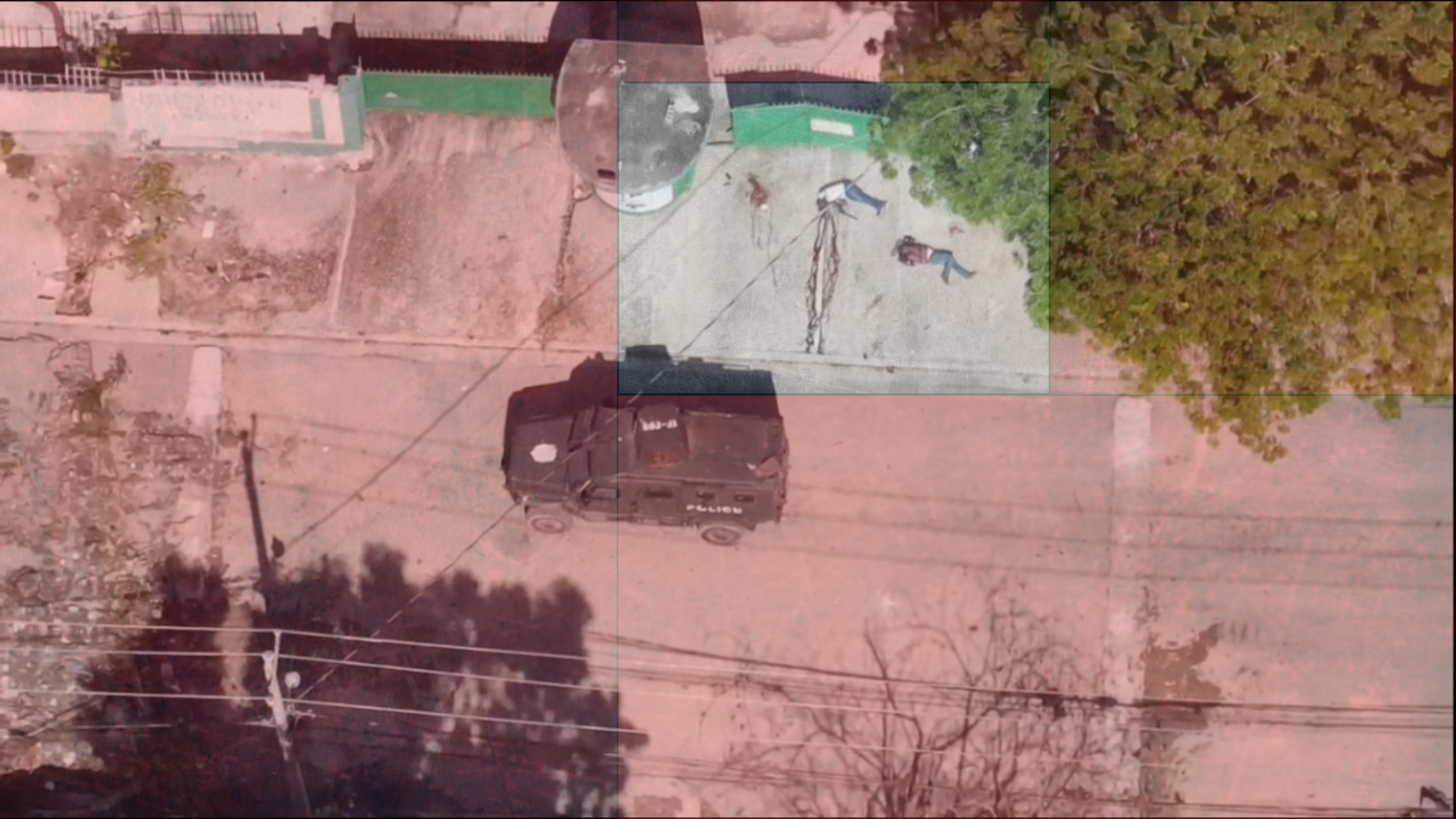
This December, the EU Council added the “5 Segond” gang to the list of those sanctioned. This powerful gang from the capital was responsible, among other things, for the attack on the Port-au-Prince General Hospital in December 2024. Two journalists were killed and seven others seriously injured. Forbidden Stories located and interviewed witnesses to the attack, which was filmed by the gang leader’s drone.
The European Union’s sanctions could trigger sanctions at the UN level. Forbidden Stories revealed in July 2025 that the United Nations committee of experts had already recommended placing Rony Célestin under sanctions. To date, this decision has not been adopted by the member states of the UN Security Council. Rony Célestin had already been under sanctions from Canada and the United States for drug trafficking and links to gangs.
See also
Read also