
Killing the journalist won’t kill the story.

Island under pressure

Threatened populations and journalists: In Indonesia, geothermal power pursued at all costs

In Indonesia, the island of Flores and its volcanoes are attracting geothermal projects. Built on Indigenous land, these mega-plants are being rolled out in disregard of local populations and the consequences for their health and the environment. Covering these struggles has exposed journalists at the local outlet Floresa to assaults and cyberattacks. The intimidation is commensurate with the stakes: the country holds 40% of the world’s geothermal reserves.

Protest against the expansion of the Ulumbu geothermal plant in Poco Leok, Oct. 2, 2024 (Credit: JATAM)

Key points
  • On the island of Flores, opposition to the expansion of the Ulumbu geothermal plant is being harshly quashed by the authorities. Journalists covering civilian mobilizations are exposed to the same repression.
  • 4,500 people could be displaced, even though an audit by Germany’s national development bank points to the absence of “real consent” from local communities.
  • An environmental impact assessment conducted in 2019 at a nearby site warned of risks to health and the environment caused by hydrogen sulfide emissions escaping from geothermal wells.

By Alexander Abdelilah and Floresa

January 15th, 2026


It was only after being forcibly taken away from the crowd, over to a military vehicle, that journalist Herry Kabut understood what was about to happen to him.

On Oct. 2, 2024, the usually quiet equatorial forest was filled with the chants of around a hundred villagers, mobilized against the expansion of a geothermal plant. The project could lead to the eviction of thousands of them. 

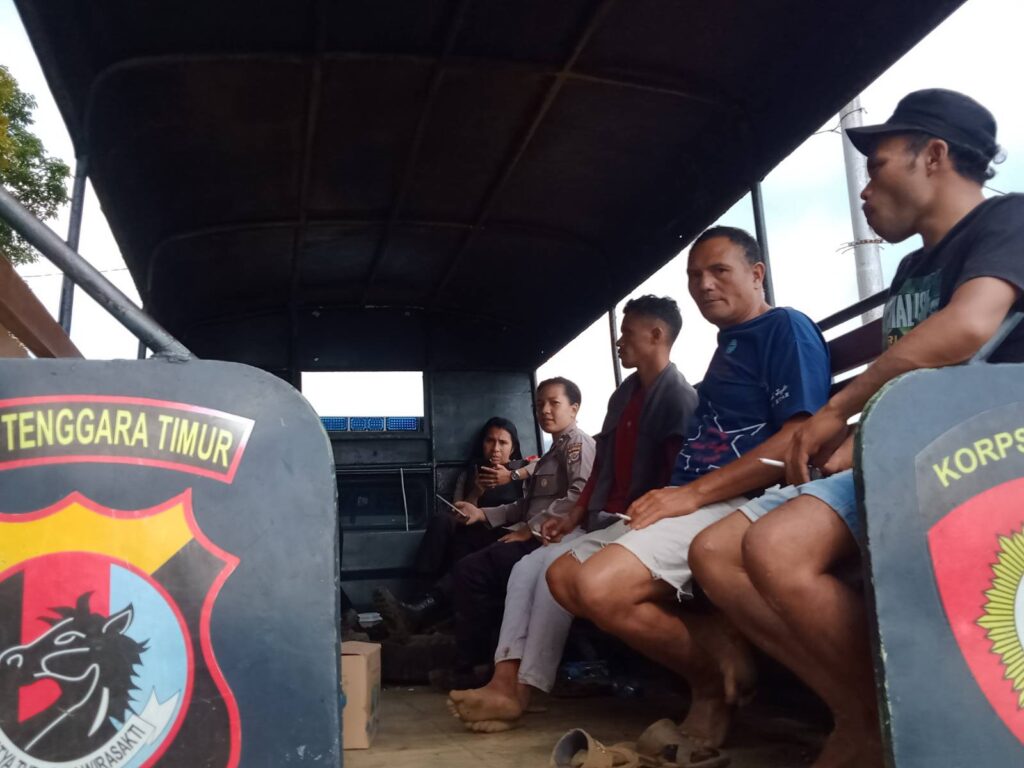
Police officers surrounded Kabut and confiscated his phone, computer and camera. Then the blows began to rain down. “They hit me on my body, my face and my chest, until my left temple swelled,” he recounted calmly. According to him, the outburst of violence was triggered by photos he had taken of villagers being arrested and loaded into a police vehicle: images that could potentially embarrass the law enforcement officers deployed to the scene. The institution did not respond to the questions that Forbidden Stories asked it in the context of this investigation.

A photograph of villagers arrested by police is said to have led to Herry Kabut’s assault (Credit: Herry Kabut).

Herry Kabut’s swollen face following an alleged assault by police officers (Credit: Floresa).

Although Kabut had been on the front lines of a protest against the expansion project, located on the territory of Poco Leok’s Indigenous communities, he was not there as a demonstrator. Editor-in-chief of Floresa, he works for one of the few independent media outlets on the island of Flores, in southeastern Indonesia. 
On the day of the assault, the police officer who manhandled him told him he had “been watching [him] for a long time,” accusing Kabut of being “a provocateur” and reproaching Floresa for producing “articles that are always negative about geothermal energy.”
It was in this context that the outlet, founded in 2014, decided to work with Forbidden Stories to continue and publish its investigation as part of a protective partnership, without fear of retaliation. In Kabut’s eyes, this collaboration taught the Floresa team “a lot about mitigating threats” in the field and made it possible to “bring local issues to international attention.”

Geothermal energy: A high-stakes issue for Indonesia

The beating of their editor-in-chief shocked all the journalists in Floresa’s newsroom — but they understand the risks of their work. The 15 or so volcanoes dotting their island, home to more than 2 million inhabitants, are not the main threat. The danger comes instead from the authorities, who look unfavorably on this small group of journalists venturing into the sensitive terrain of corruption and the defense of local communities’ rights.

In 2023, the army intimidated a Floresa journalist following a series of articles on a road built in preparation for the Association of Southeast Asian Nations summit. The construction project had led to the forced displacement of villagers in western Flores. That same year, Floresa’s website was hacked, without the perpetrators ever being identified.

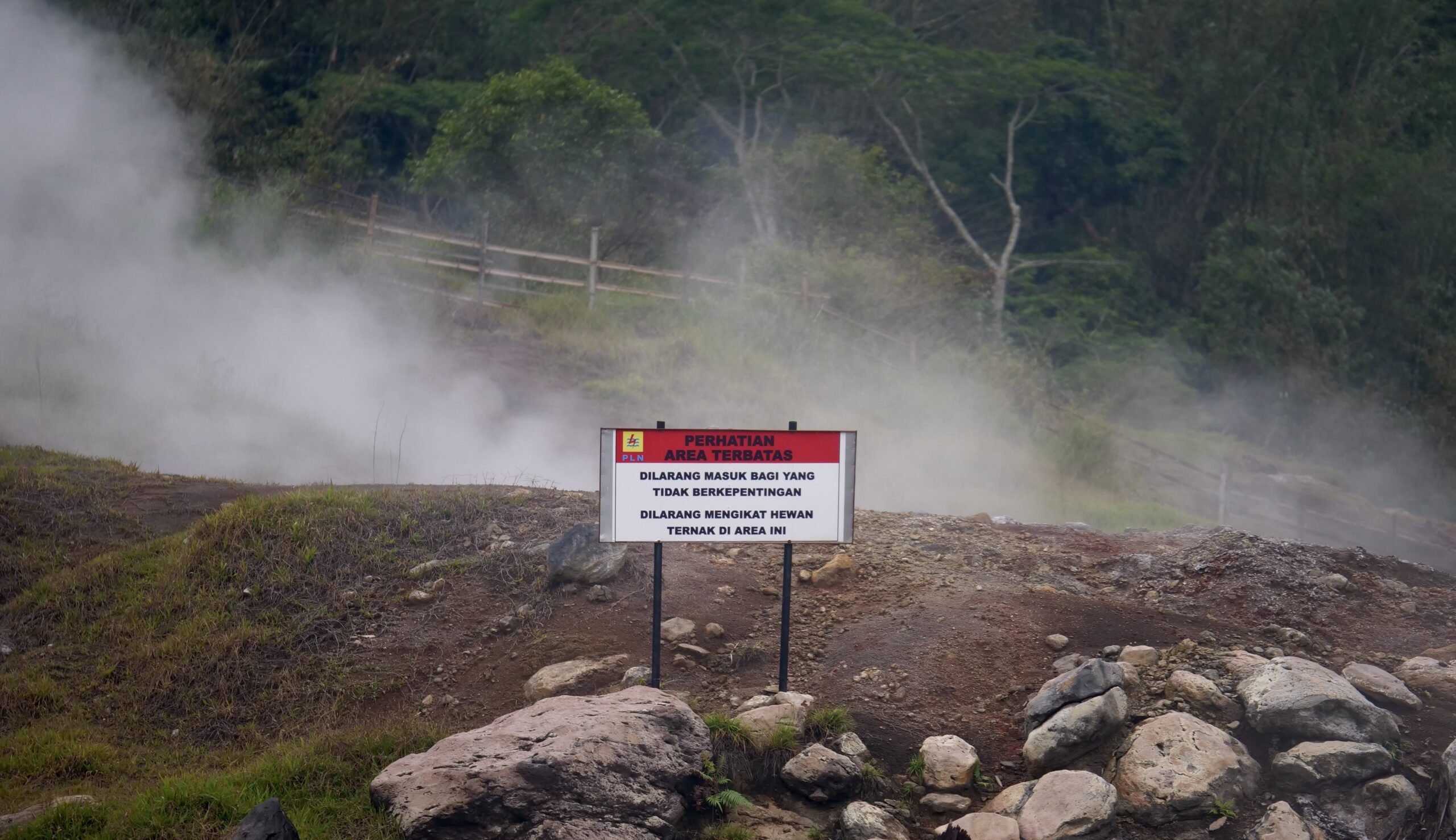
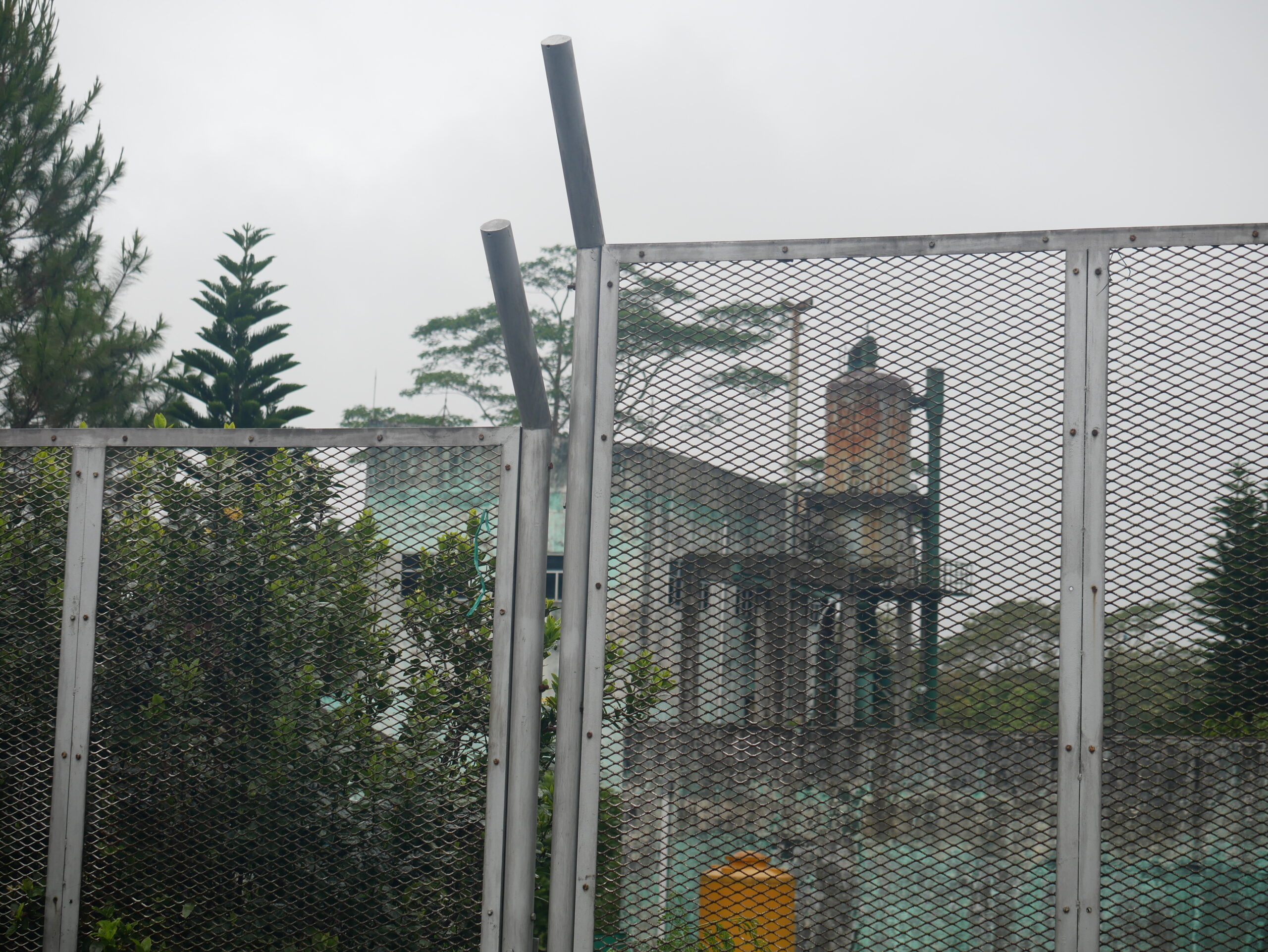
A sign forbidding entry to an eruption zone in Mataloko (Credit: Floresa)

Tensions have risen further with the proliferation of geothermal projects. This technology converts pressurized steam trapped deep within the Earth’s crust into electricity. The high temperatures inside volcanoes make the process more efficient, turning the slopes of Poco Leok into a strategic and coveted area. 

Jakarta intends to multiply the giant plants on this stretch of land in order to reduce its dependence on fossil fuels and contribute to its goal of carbon neutrality by 2060. Indonesia, much of which lies in the Pacific Ring of Fire, has an estimated geothermal potential of 23 gigawatts. By comparison, all civilian nuclear reactors worldwide have a combined capacity of 414 gigawatts. Flores plays a key role in Indonesia’s national strategy, with its province representing 5% of the country’s geothermal potential.

Protest against the expansion of the Ulumbu geothermal plant in Poco Leok, Oct. 2, 2024 (Credit: JATAM)

But behind the necessary decarbonization lie aggressive methods. These plants — and in some cases, their expansions — are being built in subsistence farming areas used by Indigenous populations who often have no other resources. The extension of the Poco Leok plant alone could displace more than 4,500 people, according to the NGO Indigenous Peoples Alliance of the archipelago that defends their rights.

Local populations do not intend to give in. In response, the authorities are deploying contingents of police officers and soldiers to suppress any protests.

Intimidation, violence and sexual assaults

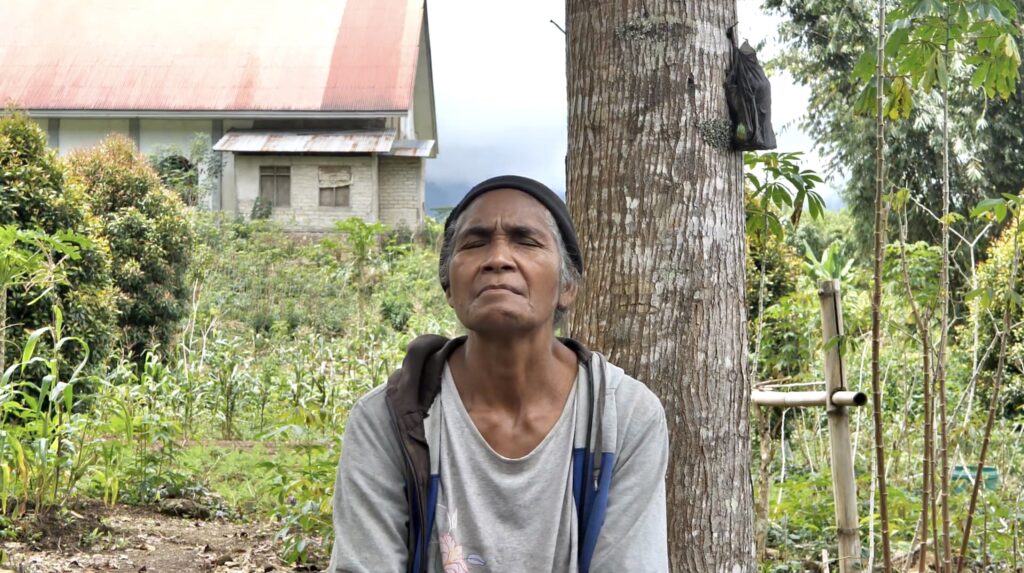
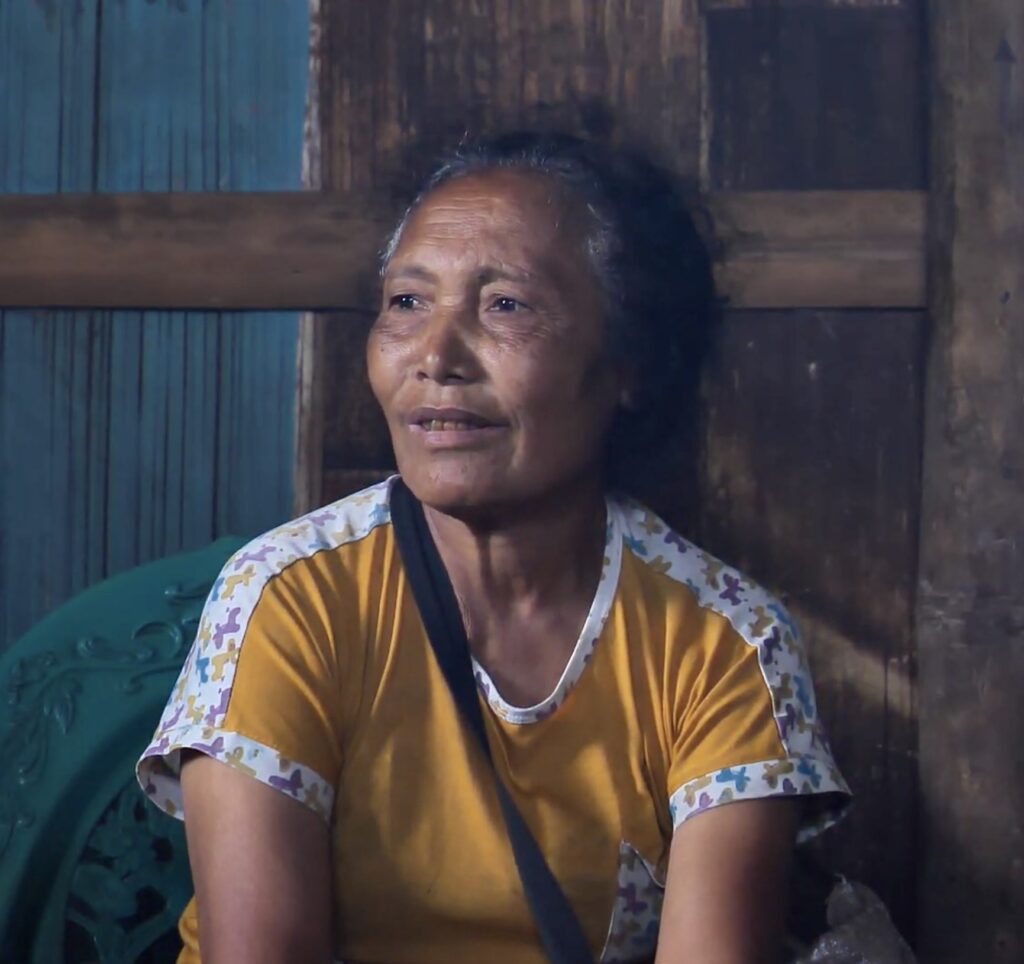
Wilhelmina Sesam (Credit: Floresa)

In the middle of her field, where cassava, corn and vegetables grow side by side, Wilhelmina Sesam is convinced. “The presence of geothermal energy has been very damaging. It’s destroying our community,” she said. A few gray strands escape from beneath her worn cap. Anger is painted across her face. 

Not far away, the Poco Leok volcano emerges from the morning mist. In Sesam’s view, it is the capture of its energy by the Ulumbu geothermal plant that has shattered local cohesion. She blames the plant operator, national electricity supplier PLN, which did not respond to the question sent by Forbidden Stories during this investigation. 

According to an audit by an external consultant, obtained by Forbidden Stories, PLN failed to sufficiently inform local communities about the impact of the expansion project, despite the sacred nature of the land it intends to exploit. This has created deep tensions between supporters and opponents. “I haven’t spoken to my relatives for three years,” Sesam said tearfully, the rift coinciding with the launch of the expansion project.


.

Women in the community are at the forefront of the fight against the energy company. “This land, like a human being, is born only once; it is an inheritance from our ancestors,” Maria Teme said. Beneath a wide felt hat, her thick eyebrows frame a determined gaze. “The damage doesn’t just happen where the drill is. It can affect even places 500 meters away … There’s smoke. The sound of bubbling, boiling water fills the area,” she continued.

.


 One of the eruptions observed by villagers near their homes and fields in Mataloko (Credit: Floresa)

Several people encountered in this community, living simple lives in wooden huts with tin roofs, tell the same story: the plant’s expansion is being carried out at breakneck speed, without the locals having been properly informed. And the supporters of the project heavily repress any opposition: intimidation, disinformation campaigns disseminated by compliant media outlets. Sometimes even sexual violence against opponents perpetrated by security forces, who did not respond to our requests for comment.

A person injured during a protest against the geothermal project in Poco Leok, on Oct. 2nd, 2024 (Credit: DR)

The alarming situation has led the international backers of the project to question their support. Among them is Germany’s national development bank, Kreditanstalt für Wiederaufbau, one of the country’s most important public financial institutions. KfW is providing a 210 million euro credit facility to Indonesian geothermal projects, including 150 million euros for Flores alone. The controversial Ulumbu expansion is one of the targeted projects.

Warned of the tensions on the island, the bank, a close partner of the German government, commissioned an audit in November 2024, which lists numerous abuses committed by PLN. 

The document, which Forbidden Stories consulted and is publishing for the first time, describes a lack of information given to local populations, the exclusion of the most vulnerable from decision-making processes, and ultimately, the absence of “real consent” from impacted communities before the project began. The audit also advises PLN to “avoid coercive tactics” in order to regain residents’ trust.

KfW told Forbidden Stories that PLN is “currently working to finalize the project’s environmental and social studies,” adding that “this will take some time.”

The Mataloko geothermal plant (Credit: Floresa)

The ravages of hydrogen sulfide

In Mataloko, located some 60 kilometers east of Flores, another Indigenous community knows the cost of geothermal energy all too well. The geothermal plant on the town’s outskirts was shut down 10 years ago due to malfunctions. 

Villagers have reported sudden eruptions and infertile land, as well as respiratory and skin problems potentially linked to exposure to hydrogen sulfide escaping from deep underground. Consequently, Mataloko has gained a nightmarish reputation among the island’s communities.

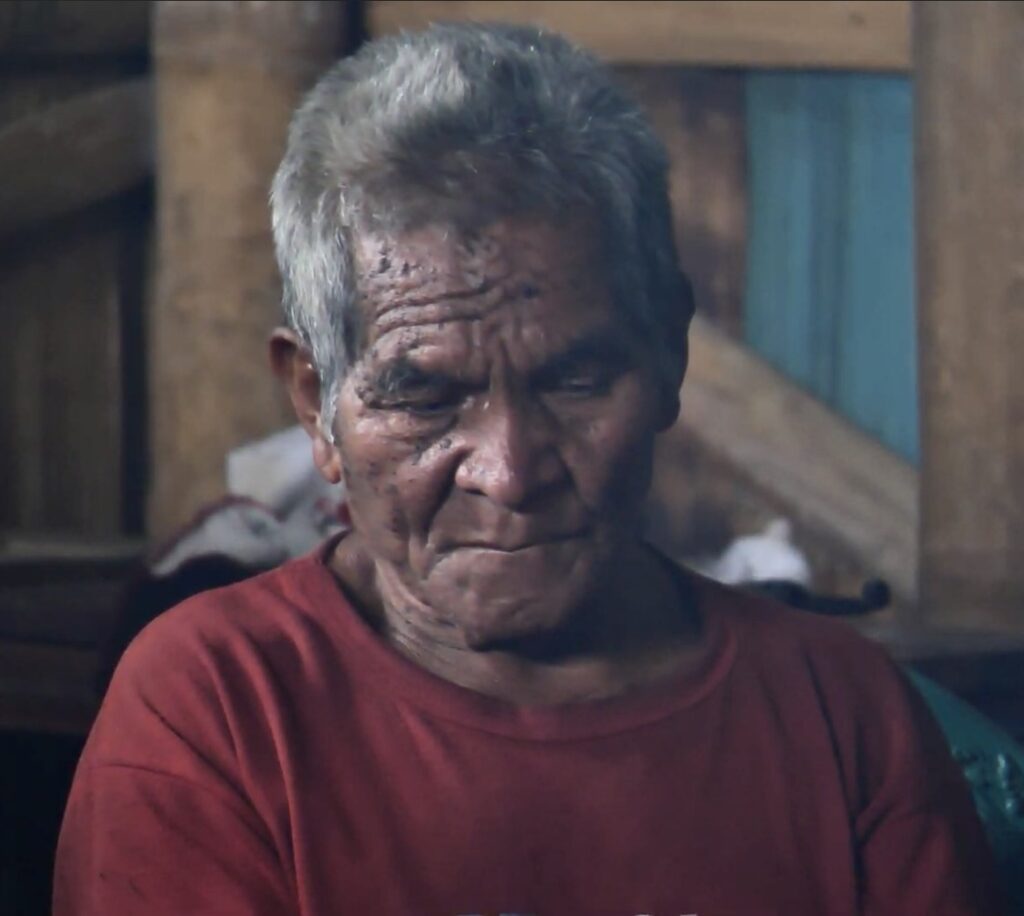
“We were told not to worry, but in reality, our vegetables, our trees — everything died,” said Felix Pere, a villager with white hair. Even bananas, the main food source “since 1945,” no longer ripen. Beside Pere, Maria Baka recalled the deafening noise that preceded a nearby eruption, a roar that made her “ears ring.”

An environmental impact assessment conducted at a geothermal plant near Ulumbu and published in 2019 confirms the health risks associated with exposure to hydrogen sulfide, an extremely toxic gas with the foul odor of rotten eggs.

The document states that hydrogen sulfide emissions “can be a hazard that could affect community health and safety if present in high concentrations at unacceptable levels for a long period of time,” or in cases of prolonged exposure.

Several villagers met in Mataloko reported symptoms of exposure. Once in the atmosphere, hydrogen sulfide can also cause acid rain, devastating crops.

Villagers Maria Baka, Evimia Deru and Felix Pere in Matalako (Credit: Floresa)

Despite these warnings, village council member Hans Baghi said he thinks geothermal energy is mostly beneficial for the community. “People used to walk everywhere here, but now they use motorcycles and even luxury cars. The whole road has been paved. There is electricity, a good water network and proper drainage,” he said. 

Although Baghi feels “sorry” for villagers whose land was ruined by eruptions, he explained that he chose to support the project “around 2021, after the compensation process,” believing that the government could take care of damaged land so residents could buy replacement plots elsewhere.

Under pressure from the government, the Mataloko plant is expected to restart and see its capacity increase nearly tenfold by 2031. While greenhouse gas emissions are lower than those of coal- or oil-fired power plants, the health risks posed by emissions from geothermal facilities are not insignificant.

Back in Poco Leok, Sesam was seated against a tree, still furious. The expansion of the Ulumbu plant threatens to swallow up sacred land, including the burial grounds of her ancestors. “We inherited this land from our ancestors, so we must protect it,” she said.

Burial sites of the Gendang Lungar people in Poco Leok (Credit: Floresa)

A collateral victim of this struggle, journalist Kabut filed a complaint with the police nine days after his assault. Photographs document the injuries he sustained. The investigation was closed on Dec. 31, 2024, due to “insufficient evidence.”

For this investigation, Forbidden Stories was denied a journalist visa by the Indonesian government, further proof that geothermal energy is a controversial issue in the country. To continue this essential work, Floresa’s reporters agreed to remain in close contact with Forbidden Stories for security, logistical and editorial support throughout their time reporting on the affected communities.

“This kind of practice needs to be improved and developed… because no story is worth a life,” said Floresa Editor-in-Chief Herry Kabut.

Forbidden Stories also handled the submission of questions to the Indonesian authorities and companies implicated, in order to avoid any intimidation towards Floresa’s reporters before publication.

But their team is far from alone in working under dangerous conditions in Indonesia. The country ranks 127th out of 180 in Reporters Without Borders’ 2025 World Press Freedom Index, and working as a journalist there is becoming increasingly difficult. Security forces have targeted some reporters on the sidelines of demonstrations, which have rocked Indonesia in recent months. Journalists at the major national daily Tempo have even received decapitated rats and a pig’s head.

See also

Capture-decran-2025-12-17-a-11.45.45
Des-mineurs-en-pleine-activite-en-bord-de-route-entre-Agroyesum-et-Manso-Adubia
Pepite-d_or-tout-juste-raffinee-issue-d_une-mine-illegale-a-Kumasi