
Forbidden Stories and UC Berkeley Journalism join forces to launch a flagship, cross-border investigative lab
The Forbidden Stories Lab based at the UC Berkeley School of Journalism will mobilize newsrooms across the United States and internationally to pursue and amplify public-interest investigations facing threats or attempts to silence them.
By Forbidden Stories
September 29, 2026
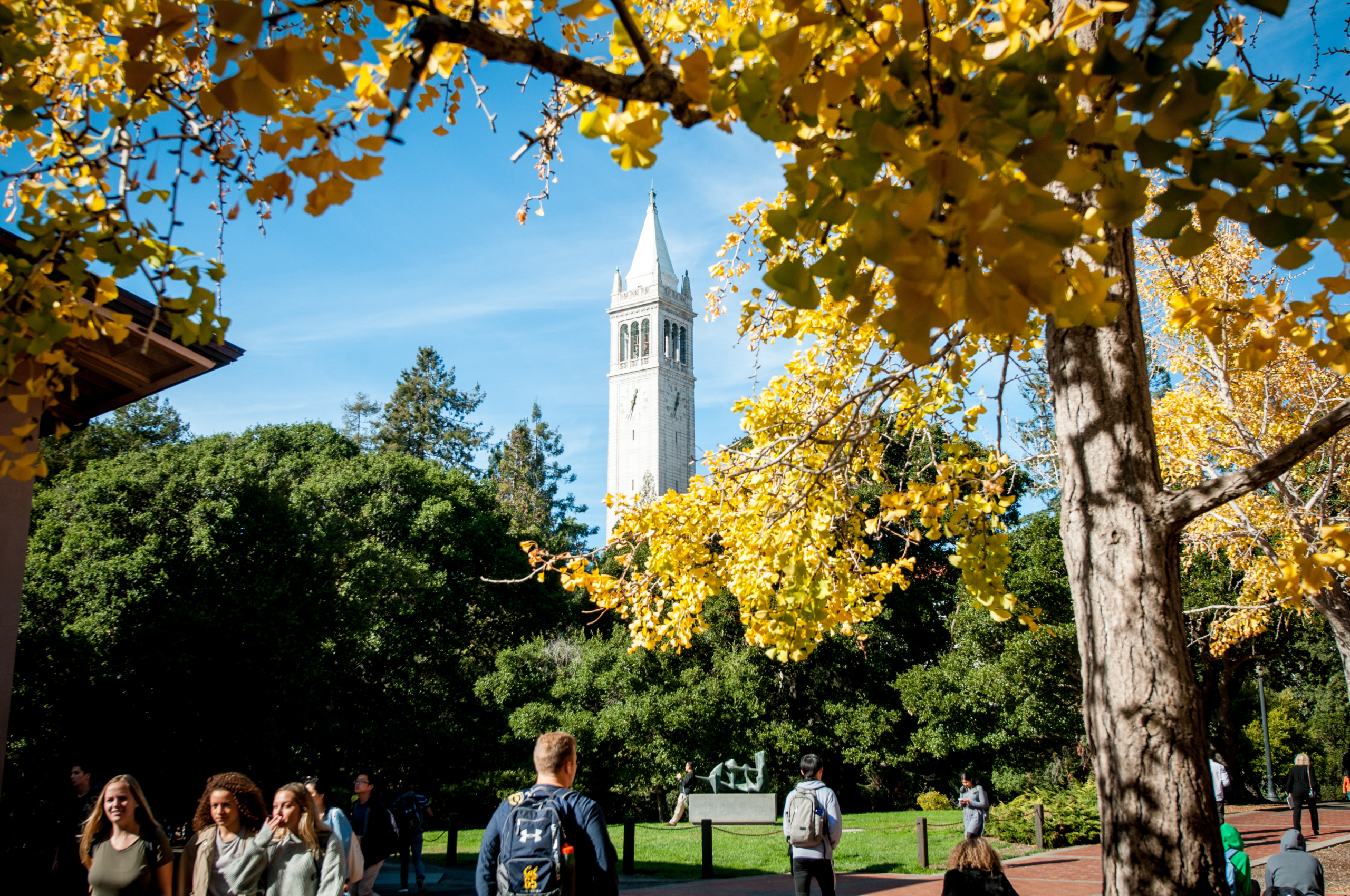
UC Berkeley campus. One week after Forbidden Stories published “The Deportation Project” – an unprecedented investigation it coordinated across 26 newsrooms in 15 countries (including The Washington Post, The Guardian and PBS Frontline) into the Trump administration’s third-country deportation deals and attacks on journalists investigating these practices – the organization today announces the launch of the Forbidden Stories Lab at UC Berkeley Journalism. The pioneering investigative journalism hub — the first of its kind in the nation — is designed to strengthen the response to growing threats against journalists and public-interest reporting in the United States and around the world.
The Forbidden Stories Lab at UC Berkeley Journalism will coordinate large-scale collaborative investigations into high-stakes topics on which U.S. journalists and newsrooms have faced threats, surveillance, physical attacks, harassment, arrest, lawsuits or other forms of intimidation aimed at undermining, discrediting or putting a stop to their reporting. What some try to hide will instead be amplified.
The Lab is the first initiative with this mandate in the United States, operating at the intersection of investigative journalism and the defense of press freedom. It comes at a time when journalists across the country have faced multiple arrests, ICE detention, home searches and device seizures in recent months.
“Across the world, attacks against journalists are reaching unprecedented levels, and those responsible too often act with impunity. No country is immune to these pressures, and no newsroom should have to face them alone. This is why we are proud to join forces with UC Berkeley Journalism to launch the Forbidden Stories Lab, bringing together journalists and newsrooms in the United States and around the world,” said Laurent Richard, founder and executive director of Forbidden Stories.
“The strongest deterrent against those who seek to silence the press is to make our investigations unstoppable. When a journalist is under pressure, make the story louder”
Forbidden Stories is one of the world’s leading collaborative investigative journalism organizations, working with more than 300 journalists and 130 media partners worldwide. Its guiding principle is simple: if a journalist is silenced, others rise and collectively continue their work.
The Emmy Award-winning organization, which until now has been solely based in Paris, supported by a global network of correspondents, will now also have a presence in the Bay Area at UC Berkeley Journalism. Through this partnership, the Lab will work closely with the school’s Investigative Reporting Program led by David Barstow, the Reva and David Logan Distinguished Chair in Investigative Journalism, drawing on UC Berkeley’s expertise across disciplines and Forbidden Stories’ international journalistic networks to coordinate major collaborative investigations. The Lab will also continue to partner with the Human Rights Center at Berkeley Law, as well as seek new partnerships, including with the California Local New Fellowship based at Berkeley Journalism. As part of the Lab, students and early-career journalists will also receive additional training in building dynamic journalism collaborations with sweeping impact.
Being based in Berkeley, the birthplace of the Free Speech Movement, also places the Lab close to the economic center of power, where companies and technologies that are increasingly shaping the world of tomorrow are being built – and where scrutinizing their influence matters more than ever. For the fourth year in a row, UC Berkeley graduates have founded more venture-backed companies than undergraduate alumni from any other university in the world, according to the 2026 PitchBook university rankings.
“By bringing together the investigative firepower of the IRP and Berkeley Journalism with Forbidden Stories’ global network, we are building an unstoppable accountability engine,” said Michael D. Bolden, dean of UC Berkeley Journalism.
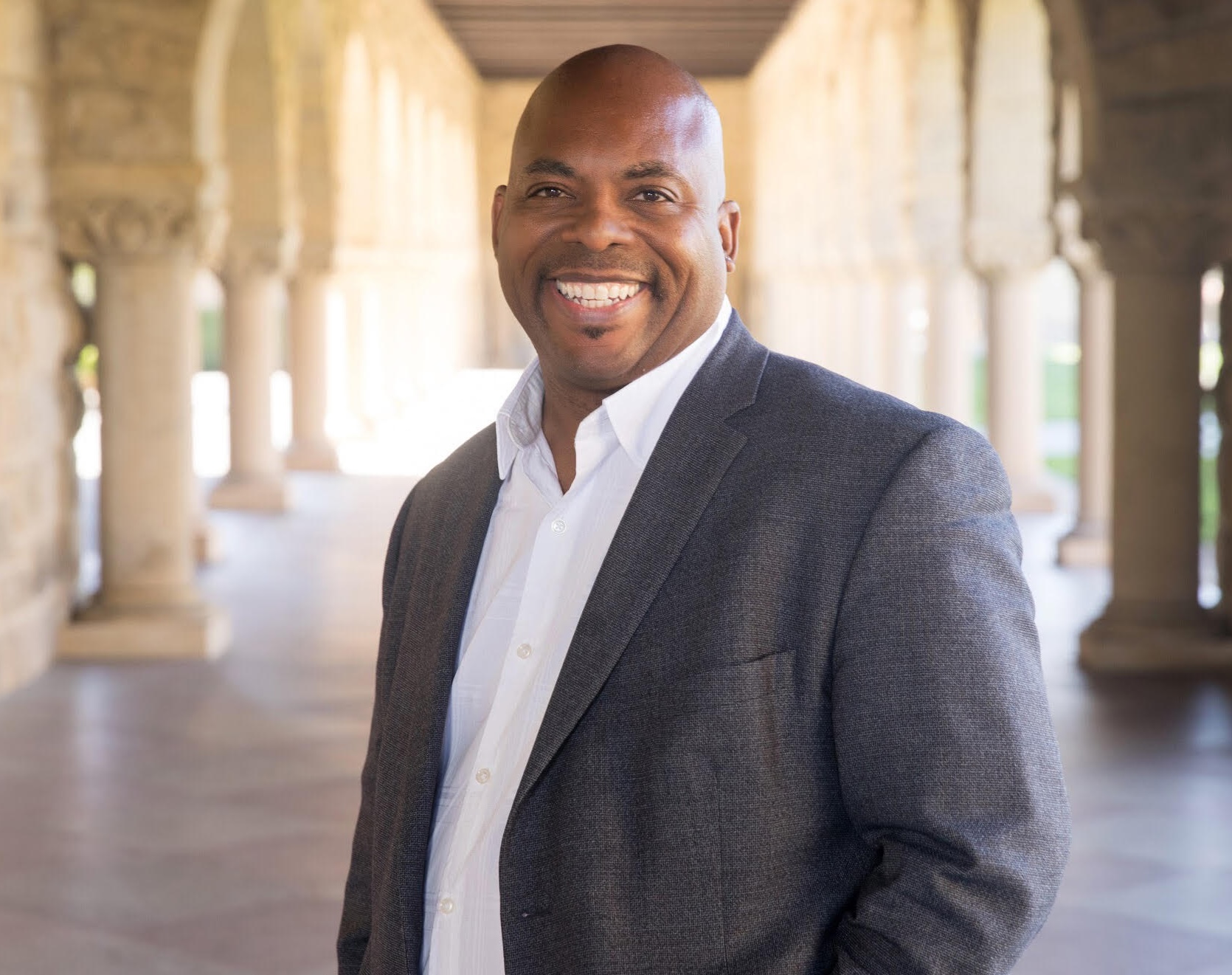
Michael Bolden, dean of UC Berkeley Journalism.
"When powerful interests attempt to silence a reporter, their work won’t be buried in courtrooms or erased. The Forbidden Stories Lab at UC Berkeley Journalism will pick up the notebook and finish the job as intrepid defenders of the truth”
“The Forbidden Stories Lab at UC Berkeley Journalism will strengthen the field and reinforce press freedom. It is proof that journalism is rising even amid an onslaught of attacks on reporters and growing threats to the free flow of information” Bolden continued.
Barstow said the Forbidden Stories Lab will benefit journalists, news organizations, students and the public.
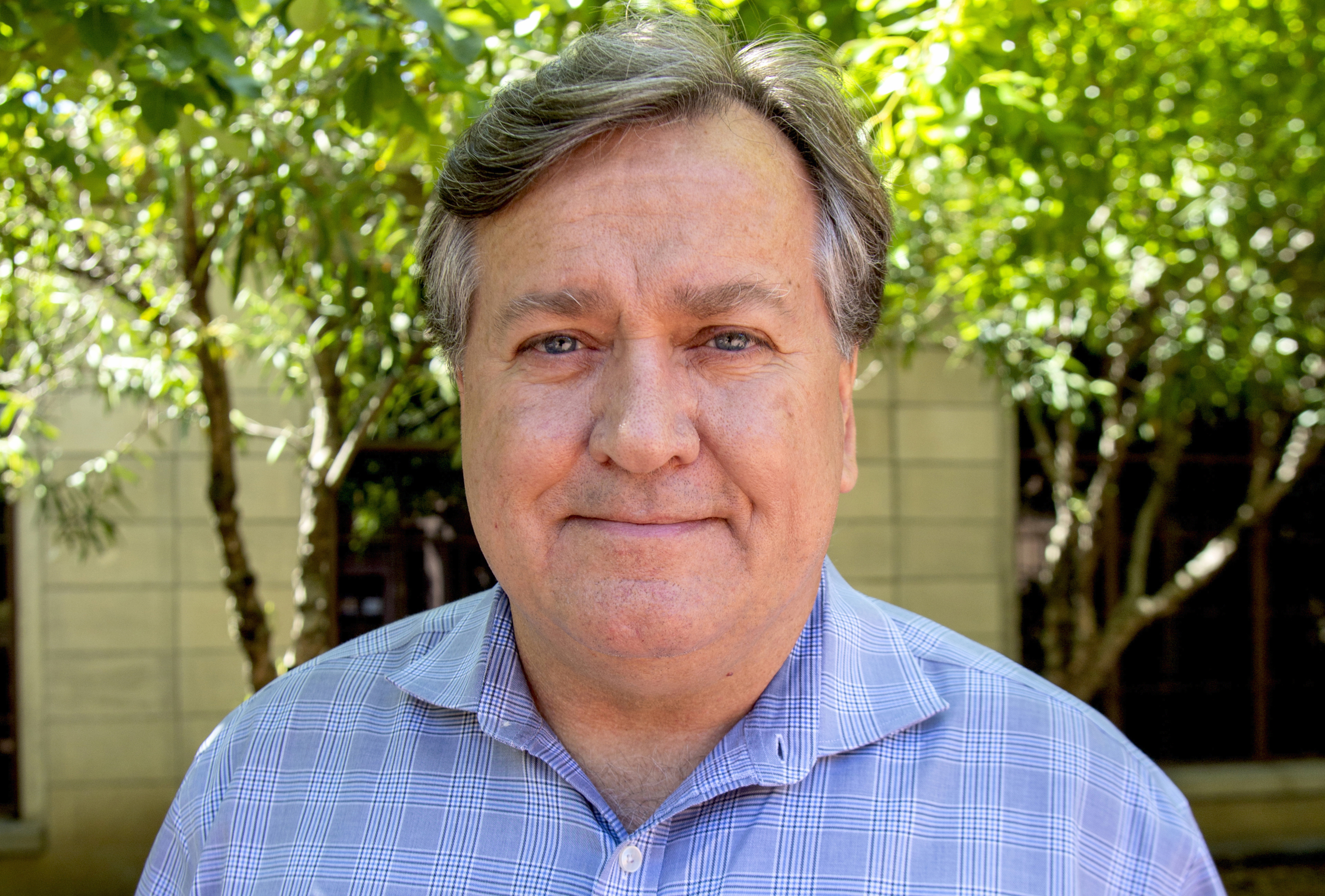
David Barstow, journalist and Reva and David Logan Distinguished Chair in Investigative Journalism
"In four decades of investigative reporting — having faced my share of death threats, legal threats and most everything in between — I've never encountered a better antidote to media repression and intimidation than the one Laurent and his team at Forbidden Stories have built in Europe"
“Their approach blends the best of collaborative journalism with proactive methodologies that, simply stated, serve to demonstrate the ultimate futility of efforts to silence our work. This is why I’m so thrilled to host the Forbidden Stories Lab in our newsroom at the IRP. Our students will benefit enormously from first-hand exposure to these groundbreaking approaches to investigative storytelling.”
The Forbidden Stories Lab is a nonprofit organization, independent of UC Berkeley and hosted at UC Berkeley Journalism. It is funded by donations from the public and philanthropic foundations and retains full editorial independence.
The investigations the Lab aims to pursue are often sensitive and complex, requiring significant time and resources. The newly established Lab is calling on everyone who believes in its mission to help make these investigations possible by donating today.
Support us so that we can continue investigating
We need your help to expose what the enemies of the press try to keep quiet.
Launch event
The Forbidden Stories Lab will be officially launched on October 9, 2026, at 4 pm, with an event at Logan Multimedia Center, North Gate Hall on the UC Berkeley campus.
Members of the media are invited to attend. For accreditation or interview requests, contact Lia Swindle lia.swindle@berkeley.edu.
About Forbidden Stories
Founded in 2017, Forbidden Stories has become one of the world’s leading collaborative investigative journalism organizations, working with more than 300 journalists and 130 media partners worldwide, including major American newsrooms (The Washington Post, The New York Times, PBS Frontline). Its guiding principle is simple: if a journalist is silenced, others rise and collectively continue their work.
Through more than 35 cross-border investigations – recognized with an Emmy Award, two George Polk Awards, three Online Journalism Awards, a Maria Moors Cabot Prize Special Citation – Forbidden Stories has exposed spyware systems, corruption, environmental crimes, disinformation networks, and organized crime.
These investigations have sparked global debate and led to concrete action, from the U.S. Department of the Treasury imposing sanctions on a Russian-Swiss mining company operating in Guatemala, to the EU sanctioning leaders of Russian disinformation operations in Africa, and the U.S. Department of Commerce placing cyber-surveillance company NSO Group on blacklist.
In order to deter crimes against journalists before they happen, Forbidden Stories has also created the SafeBox Network. Already more than 280 highly-threatened journalists from 52 countries are securely sharing their ongoing investigations with the organization. If they are ever assassinated or jailed, Forbidden Stories and its partners will continue their work. Many journalists publicize their membership as a form of protection, signaling to aggressors that an international community of reporters stands behind them and that attempts to silence them are futile.
Forbidden Stories and its SafeBox Network were featured in BBC’s “People fixing the world” program on World Press Freedom Day 2026.
About UC Berkeley Journalism
For nearly sixty years, UC Berkeley Journalism has emphasized hands-on training to prepare generations of students to be journalists. The school currently focuses on six disciplines, including audio and podcasting, documentary film, narrative writing, multimedia and photojournalism. Berkeley Journalism classes are taught by award-winning faculty who have been journalists and continue to report even as they teach. Likewise, the school emphasizes professional practice, enabling students to produce excellent journalism while they are students. Graduates work in newsrooms worldwide, reporting stories that lead to real-world impact.
The school is also home to the pioneering, state-funded California Local News Fellowship, which supports more than 70 journalists working as reporters and editors in newsrooms across the state.
The school’s Investigative Reporting Program, led by four-time Pulitzer Prize winner David Barstow, the Reva and David Logan Chair in Investigative Reporting, launched twenty years ago. Over two-decades, the IRP has produced award-winning stories (including Polk Awards and Pulitzer Prize finalist honors) that have led to policy changes and other positive impacts on people and communities.
For more information about UC Berkeley Journalism, visit journalism.berkeley.edu.
Media contacts
Forbidden Stories
Emma Chailloux, Communications & Partnership Manager
emma@forbiddenstories.org / +33.7.44.87.82.07
UC Berkeley Journalism
Andrea D Lampros, Communications Director
alampros@berkeley.edu / 510.847.4469
Support us so that we can continue investigating
We need your help to expose what the enemies of the press try to keep quiet.